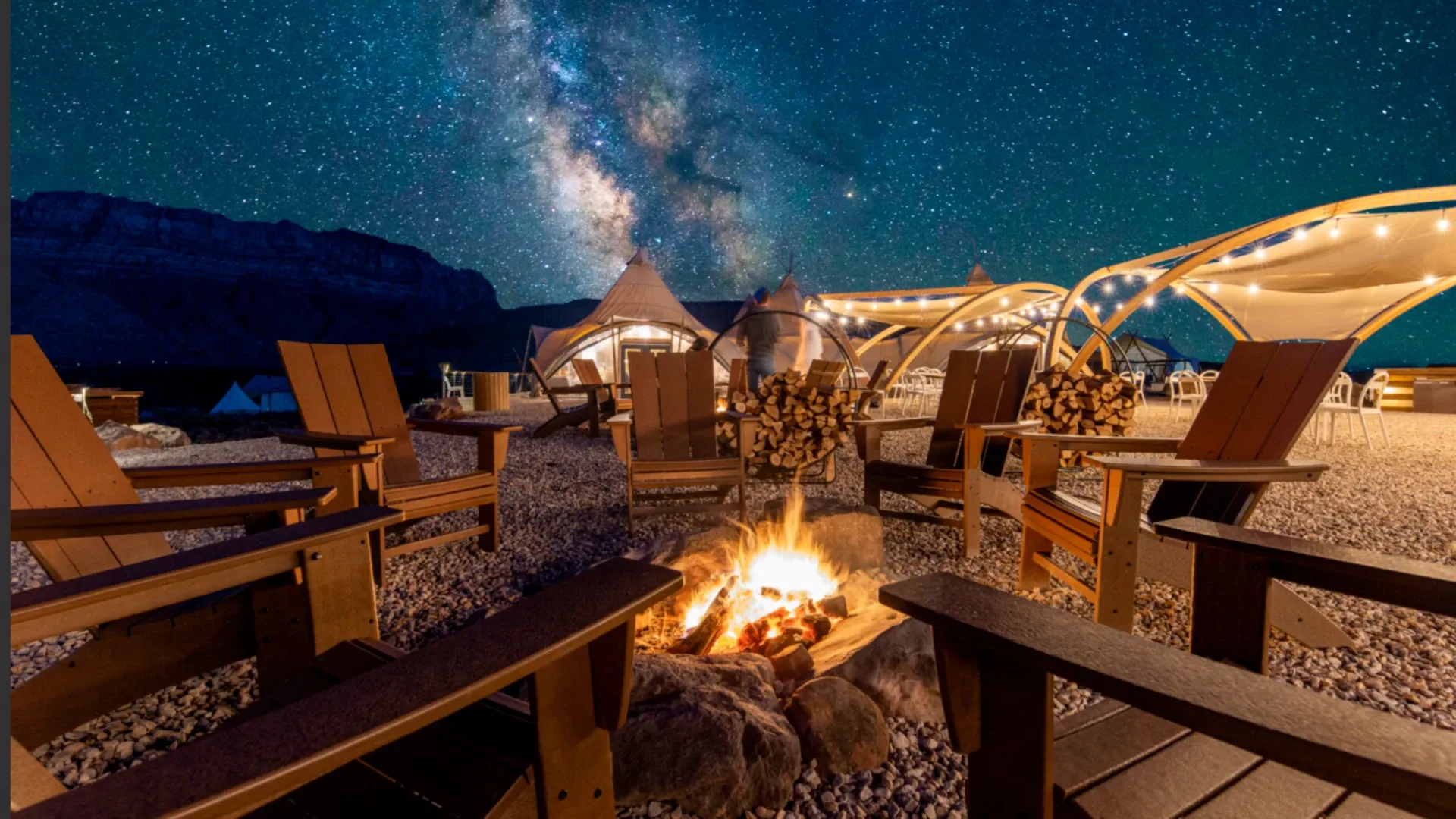
When was the last time you looked up at the stars without a screen in your hand?
We spend our days bathed in the blue light of notifications, infinite scrolling, and cities that never truly sleep. But every October, the universe puts on a silent, ancient show that most of us completely miss: the absolute best season of the year to witness the cosmos in its rawest form.
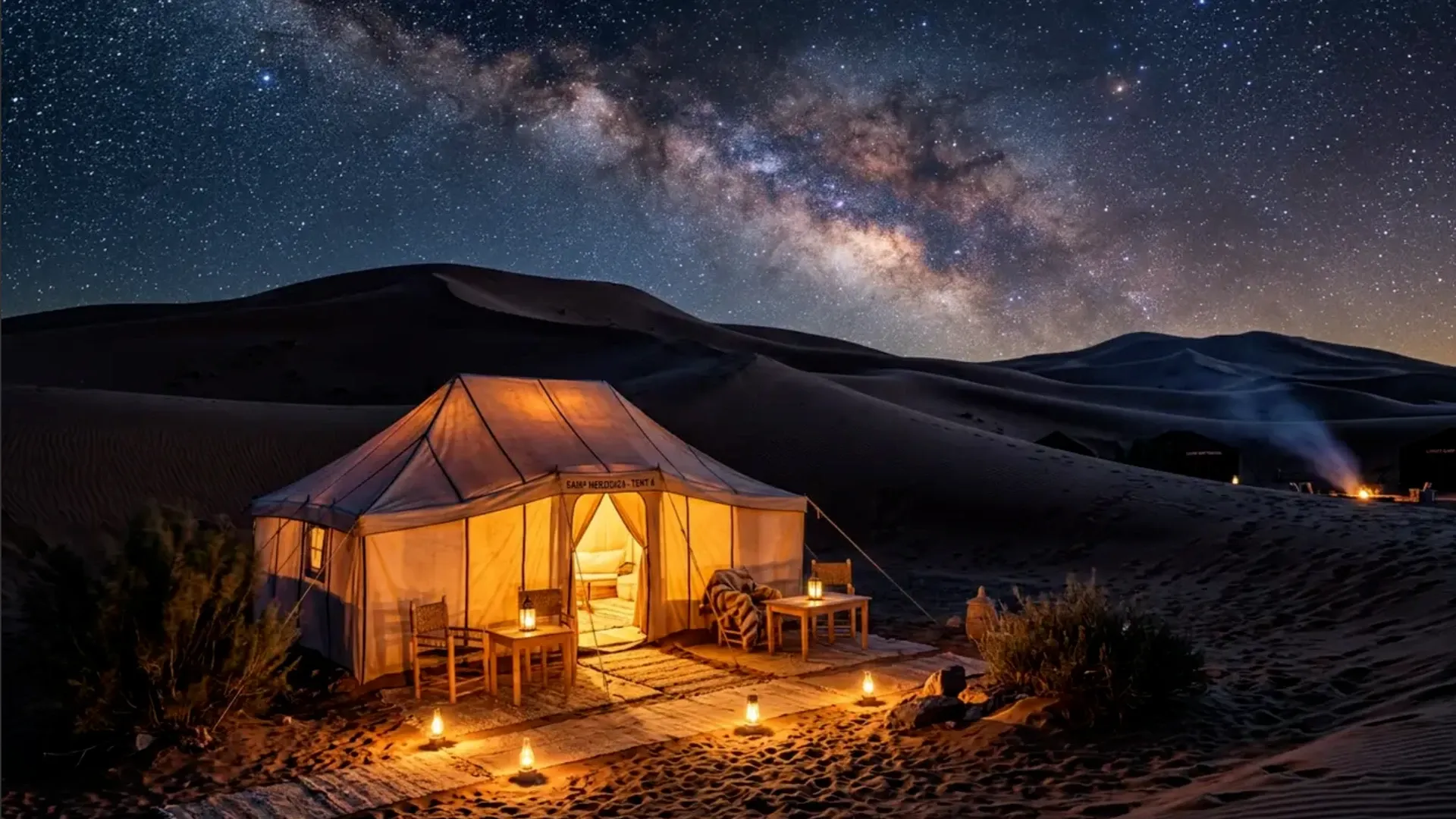
The Celestial Magic of October
Astronomically, autumn brings a unique confluence of atmospheric conditions and celestial spectacles:
Ideal Atmospheric Clarity: The drop in humidity and heat haze results in ultra-clear night skies, offering crisp views of deep-sky objects.
The Orionid Meteor Shower: Peaking in mid-to-late October, this annual meteor shower is created by debris from Halley’s Comet, sending brilliant streaks across the dark canvas.
Prime Zodiacal Light: Known historically as the "false dawn," this faint pyramid of light created by interplanetary dust becomes visible in dark-sky desert locations just before morning twilight during early autumn.
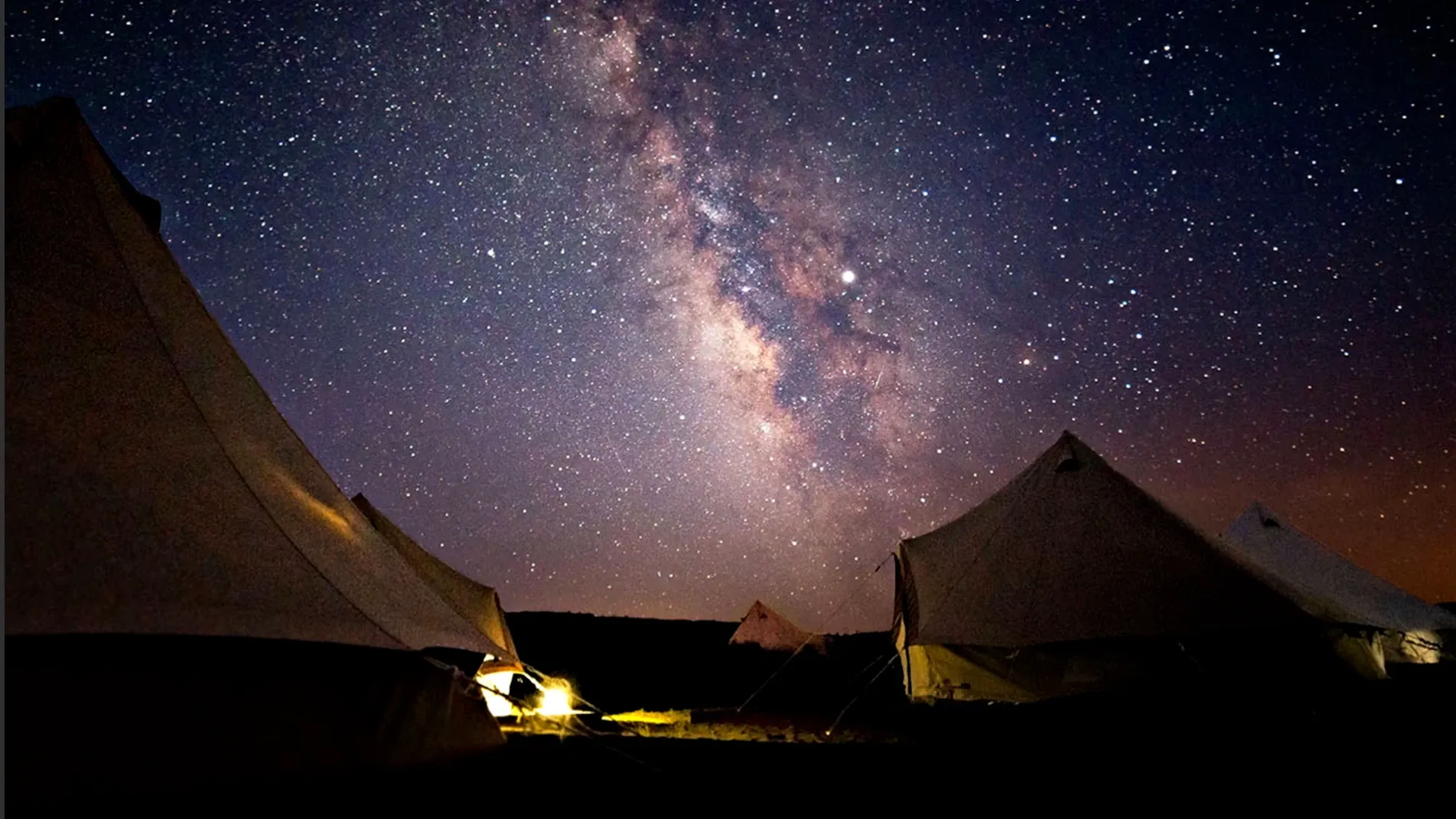
A Timeless Obsession: From Ancient Observatories to Modern Glamping
Human fascination with the October night sky spans millennia:
"The stars were our first maps, our first calendars, and our earliest storybooks."
The Ancient Babylonians: In Mesopotamia, early astrologers tracked autumn constellations like Pegasus and Andromeda to predict agricultural shifts and seasonal floods along the Tigris and Euphrates.
The Silk Road Travellers: Nomads and traders navigating the desolate Taklamakan and Arabian deserts relied heavily on the October night sky for navigation when daytime heat rendered desert transit impossible.
Mayan Celestial Alignment: Civilisations across Mesoamerica built platforms precisely aligned with celestial movements during autumn equinoxes and late-year planetary transits.
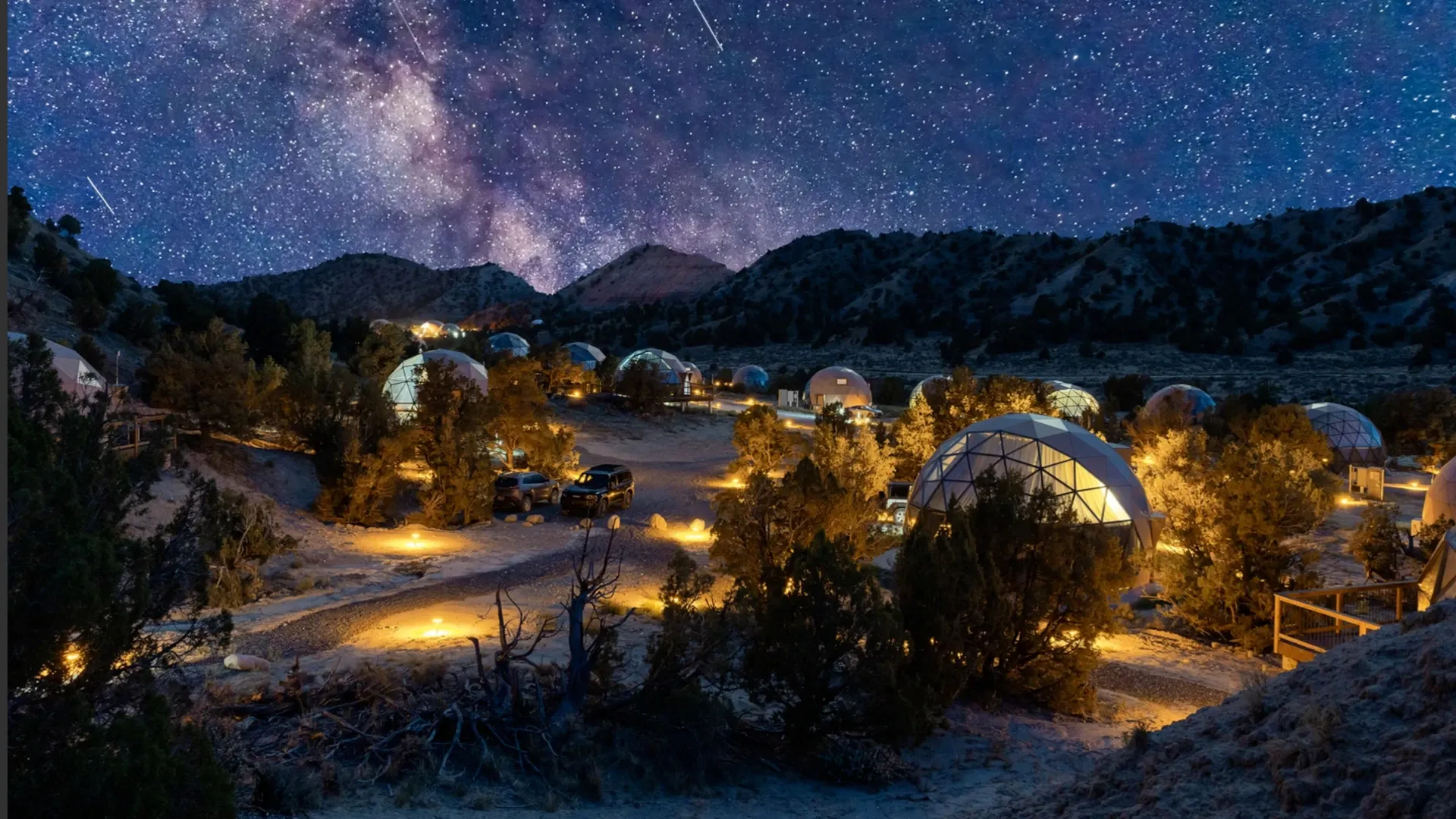
Recommended stays within CAOBA Hotels to contemplate starry nights
To pair world-class stargazing with authentic luxury, CAOBA offers curated escapes in some of the world's most dramatic dark-sky desert ecosystems:
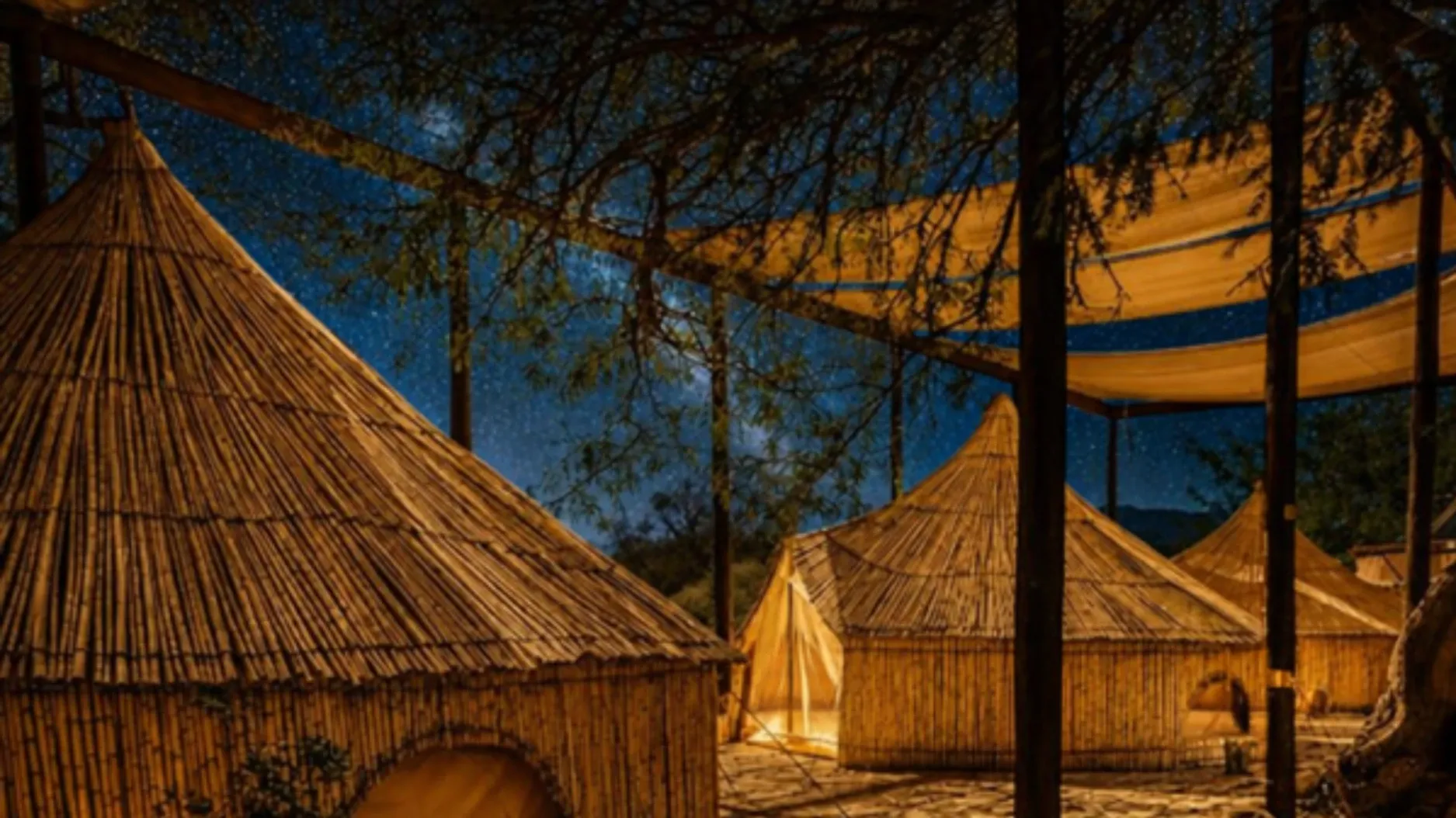
San Pedro de Atacama, Chile
Nestled in the driest desert on Earth with near-zero light pollution. Offers open-air lounge areas and fire. A soulful retreat where nature and design whisper in harmony. Born from the dream of creating a sustainable sanctuary in one of the driest places on Earth, this oasis embraces the rugged beauty of the Atacama with warmth, comfort, and authenticity. From the soft glow of the glamping tents at twilight to the rustic charm of its lofts and bungalows, each corner invites guests to reconnect with the Earth and themselves.
Siwa Oasis, Egypt
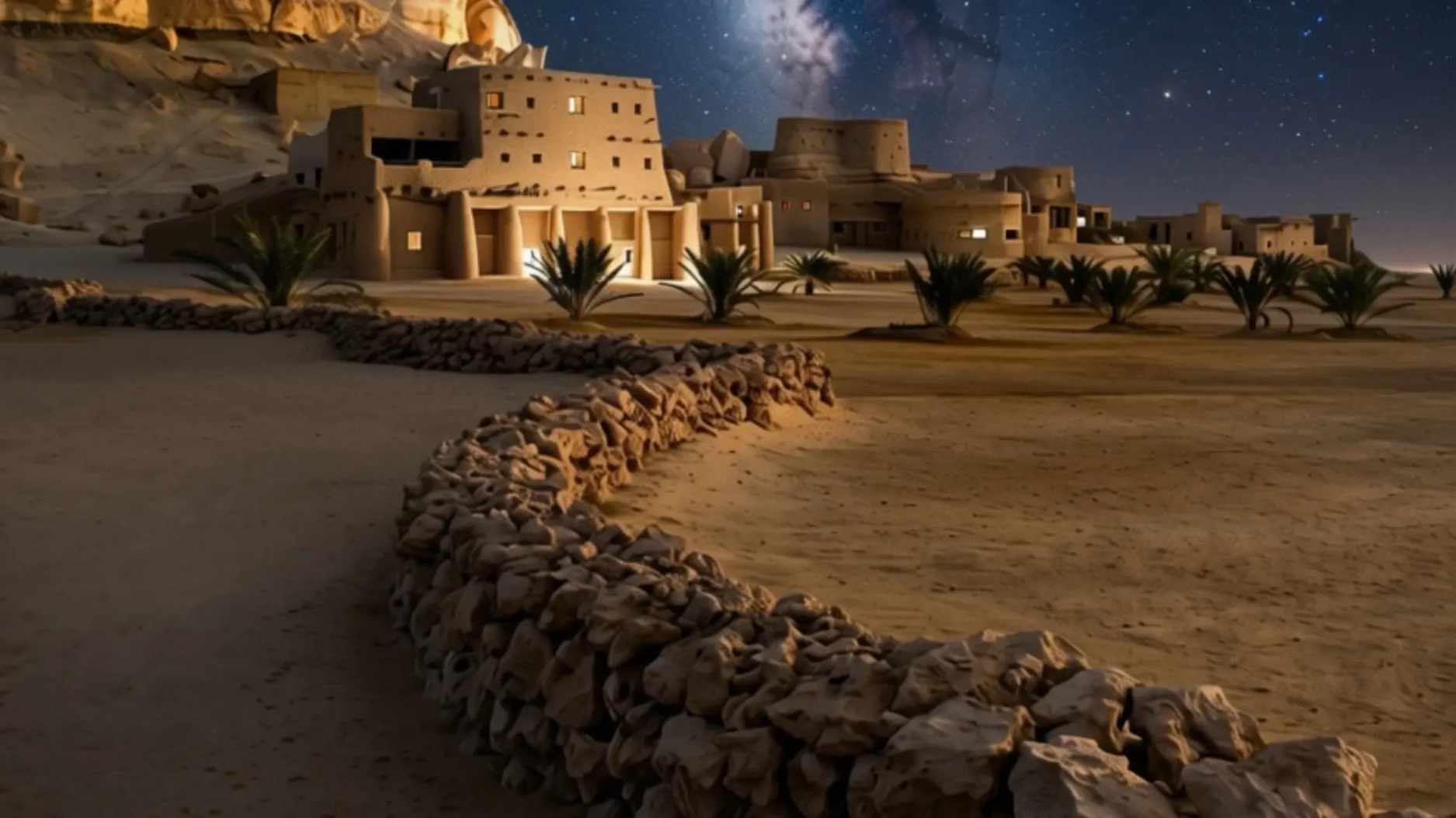
An eco-lodge built with traditional kershef (rock salt and clay). Operates entirely without electricity, lit only by beeswax candles and raw desert starlight. Its unique architecture, built entirely from natural materials like salt and mud, complements the surrounding environment and provides a genuine sense of place. Guests can enjoy authentic local cuisine prepared with fresh, organic ingredients, and take part in cultural activities that highlight the rich heritage of the Siwa Oasis. With lots of famous people already staying at this place, the best visiting months are October through April.
Other stays soon available in CAOBA: Al Maha Desert Resort & Spa
Dubai, United Arab Emirates
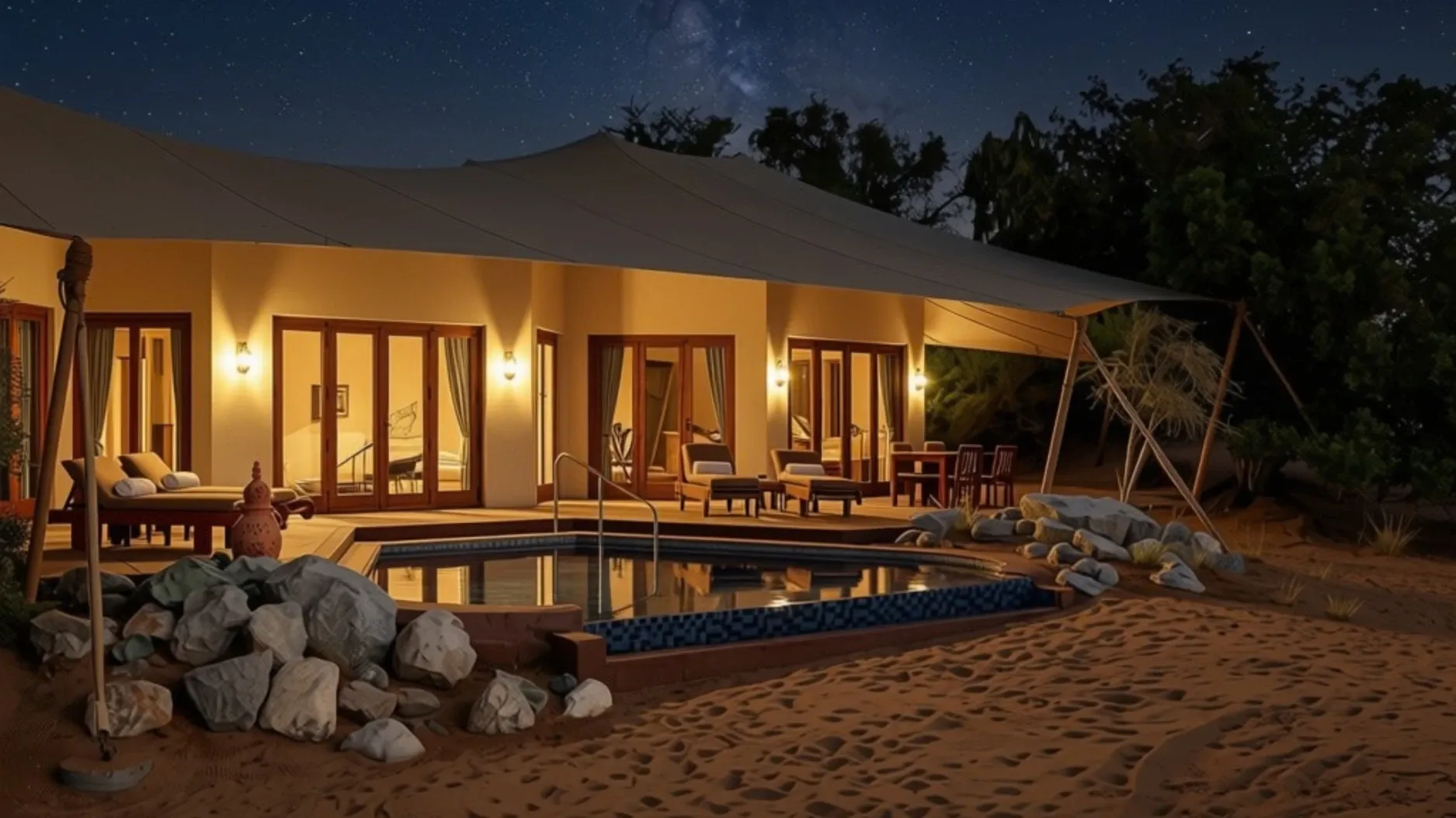
It offers a perfect balance between untamed wilderness and five-star indulgence, where you can gaze at the night sky while local wildlife, like the Arabian oryx, wanders freely.
As summer heat yields to crisp autumn evenings, a cosmic transformation unfolds. October has long been celebrated by astronomers and desert wanderers as the prime month for stargazing. Combining dry desert air, pristine clear skies, and a lineup of astronomical events, autumn offers the ultimate backdrop for luxury glamping under the Milky Way.